

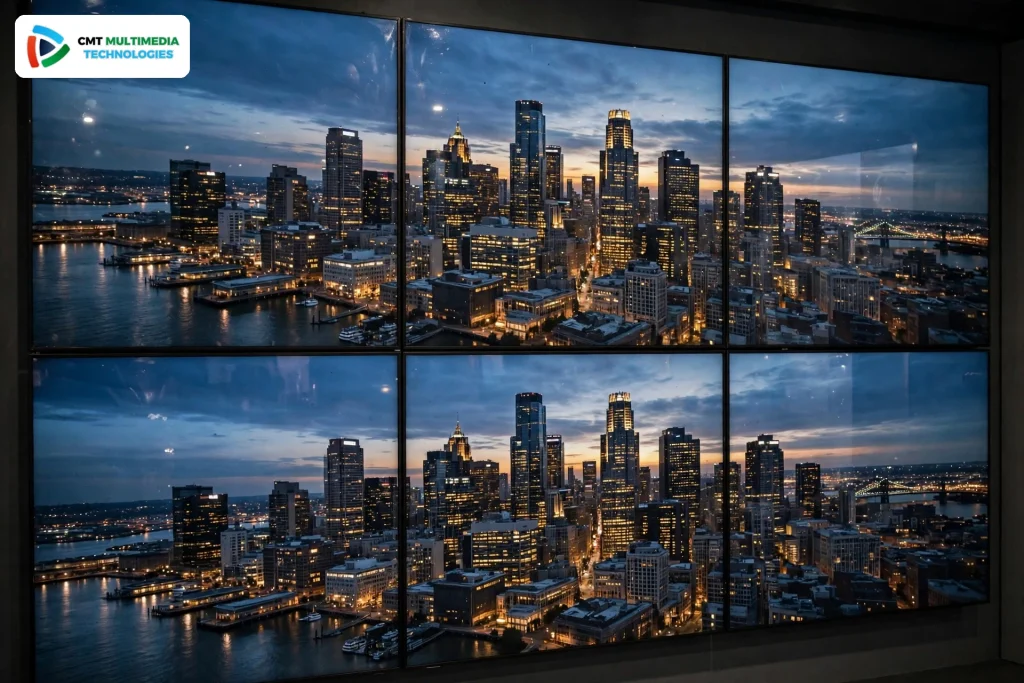
A video wall is several display panels tiled together to form a single large screen. Each panel shows part of the picture, and the video wall processor splits the image across them so the whole wall reads as one continuous display. The panels can be LED or LCD, and the wall can show one big image, several images side by side, or a mix — a live feed on one part and a presentation on another. A digital video wall is controlled from one system, so the content can change in seconds.
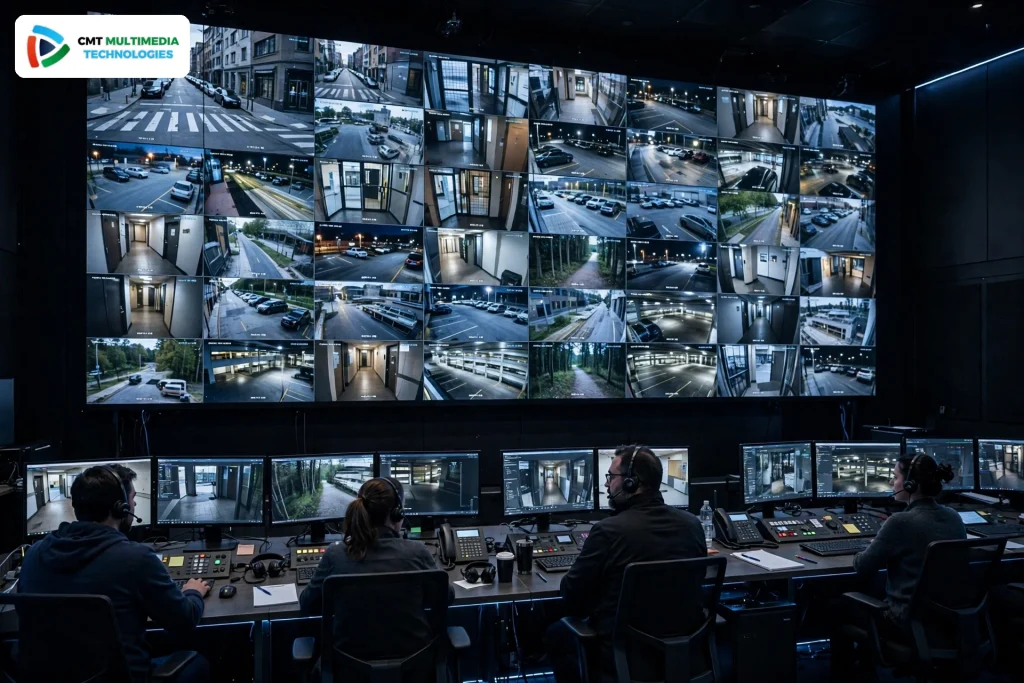
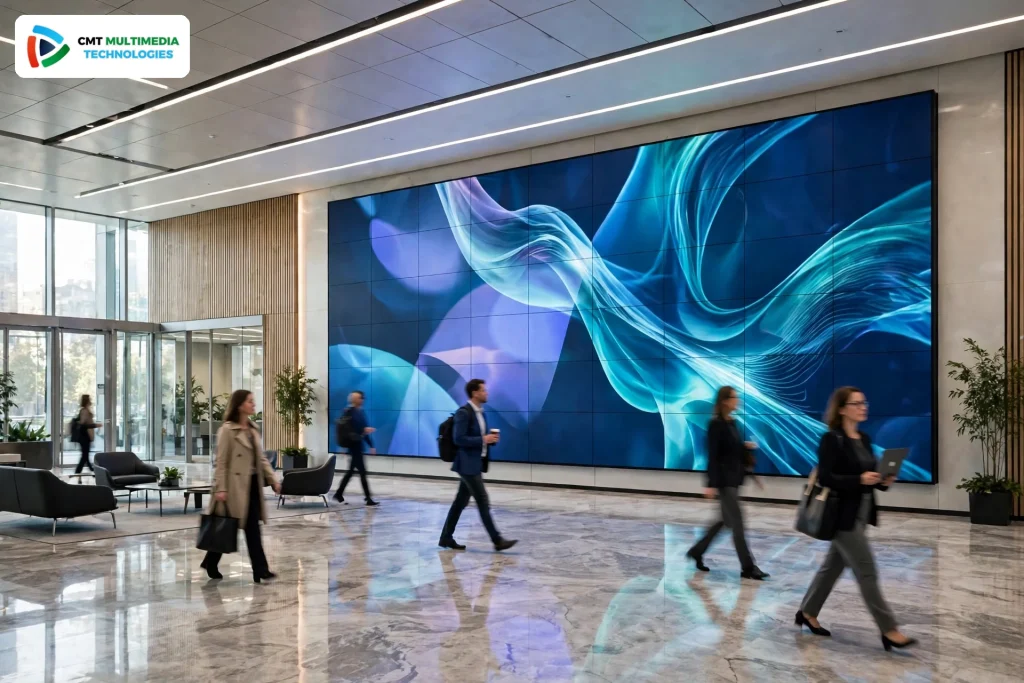
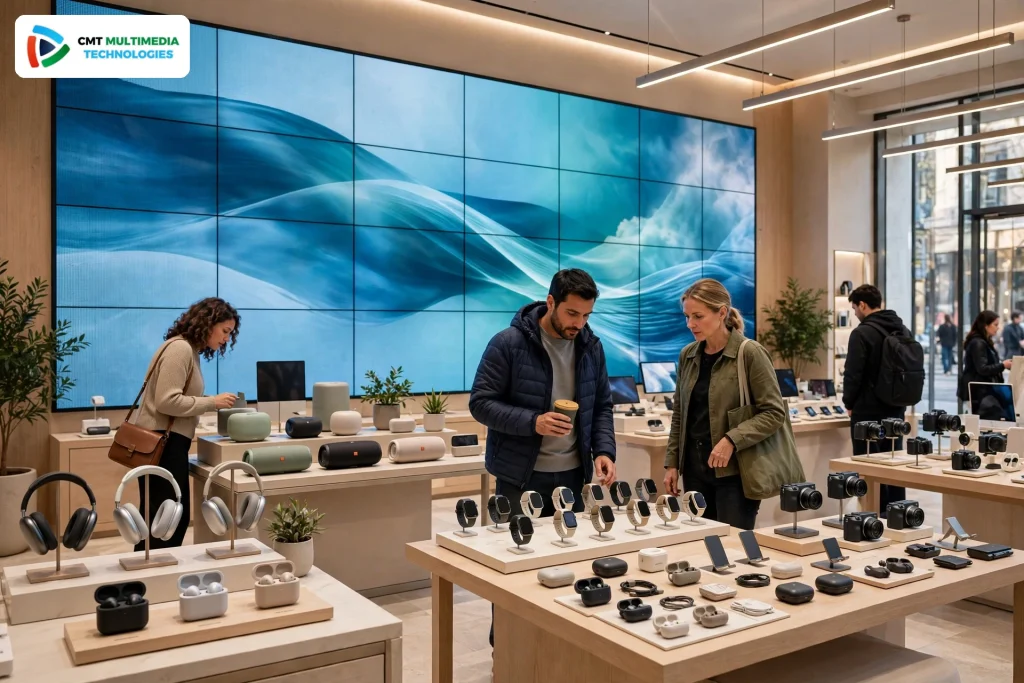
Video walls exist because a single screen is sometimes too small: a control room needs many camera feeds at once, a lobby needs a screen readable from across the room, and a retail flagship needs a display that stops people walking past. The answer is a wall of panels built to work as one screen, running for long hours every day.








No Comments