AWS Elemental Link is a small hardware device that sends live video from a camera to AWS Elemental MediaLive in the cloud.
AWS Elemental Link is a compact hardware encoder that connects a camera to the AWS cloud, where AWS Elemental MediaLive turns the live feed into a stream. AWS stands for Amazon Web Services. You plug the camera into the device, the device sends the video to AWS, and AWS turns it into a live stream that viewers can watch on TV, phone, and web. CMT Technologies sets up the device and runs the live stream for broadcasters, telecom operators, and event teams in the Gulf.
A live event only happens once. A match, a concert, a conference, a service in a place of worship: if the stream fails, the moment is gone. The camera feed has to reach the cloud cleanly, and the cloud has to turn it into a stream that plays well on every screen. This page explains the device in plain words, and how CMT Technologies runs it as a full live streaming service. See our live production and video streaming work, our OTT solutions, and all our solutions.
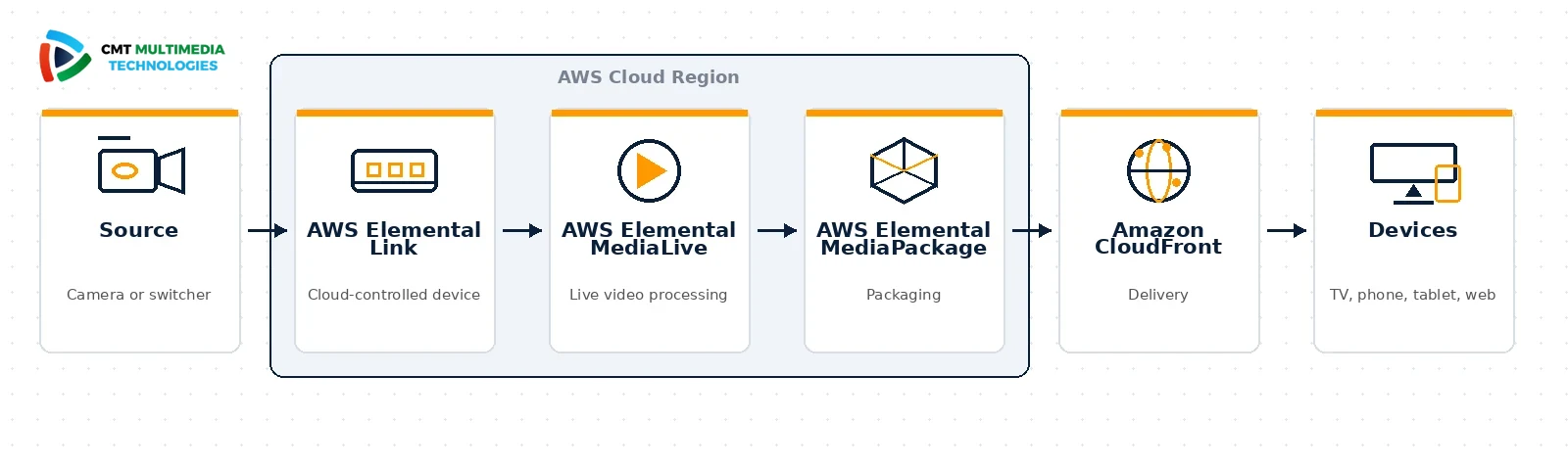
A live stream is a chain. Here is the full chain, in plain words.
The event is filmed with a camera, or mixed on a switcher from several cameras. This is where the live picture starts.
The picture goes into the AWS Elemental Link device through HDMI or SDI. The device encodes the video and sends it to AWS.
AWS Elemental MediaLive takes the feed and makes the live stream in the sizes viewers need.
The stream is packaged and sent to viewers, so it plays well on fast and slow connections.
Viewers watch on TV, phone, tablet, or web, live as the event happens.
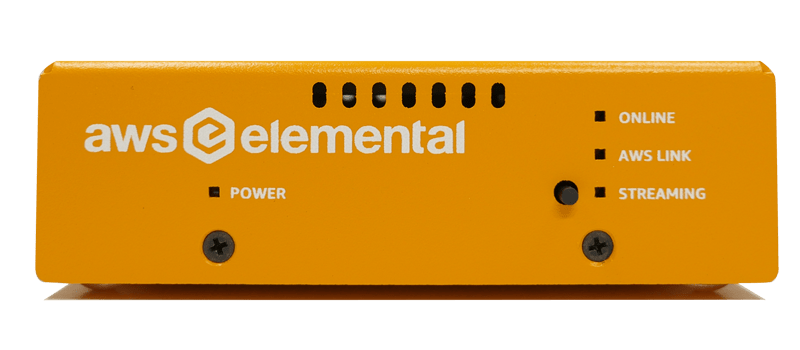
The AWS Elemental Link device is a small box that connects a live video source to the cloud. It is a live streaming encoder: it takes the picture from a camera or a switcher, squeezes it into a stream, and sends it to AWS. That is cloud live streaming in its simplest form: the box at the venue, the cloud behind it. You only need three connections: power, a network cable, and one video source. The device ships ready for your AWS account. Once it is on, you can watch it and control it from the AWS Management Console, from anywhere.
Two models do the same job. The difference is picture quality. AWS Elemental Link HD is the high-definition model. It sends one video up to 1080p at 60 frames per second to AWS Elemental MediaLive. It takes one 3G-SDI or HDMI video source as its input, and connects with a power source and a network cable. It is an HEVC live encoder, so it keeps the picture sharp on less bandwidth, and it can run on Power over Ethernet with as few as two cables. One box works as both an HDMI live encoder and an SDI live encoder. AWS Elemental Link UHD is the ultra-high-definition model. It sends one video up to 2160p at 60 frames per second, which is 4K, to AWS Elemental MediaLive or AWS Elemental MediaConnect. It takes one 12G-SDI or HDMI 2.0 video source as its input, and connects with a power source and a network cable. It encodes with HEVC or AVC, supports 10-bit colour and HDR, and carries up to 16 audio channels. For most events, HD is enough. Choose UHD when the picture itself is part of the experience.
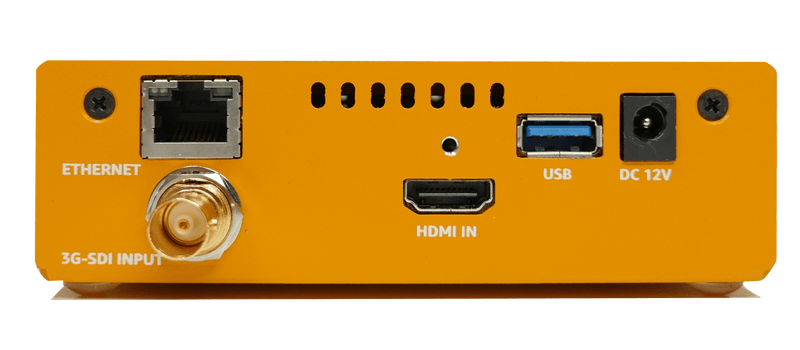
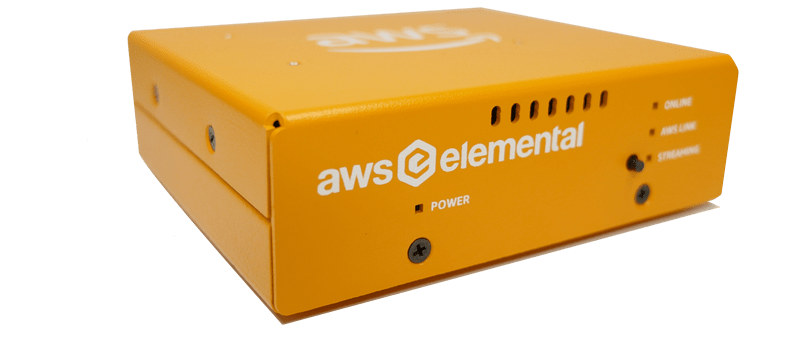
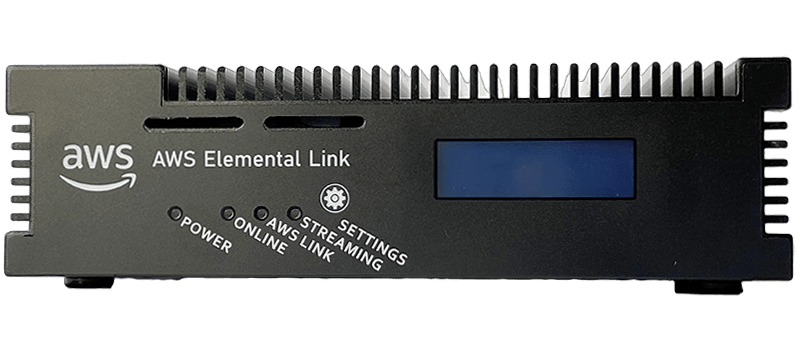
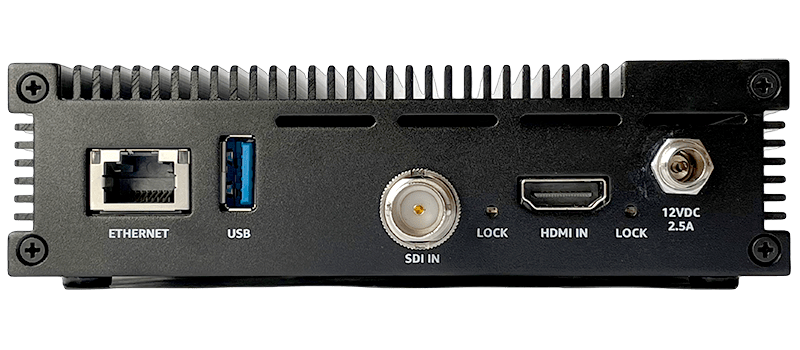
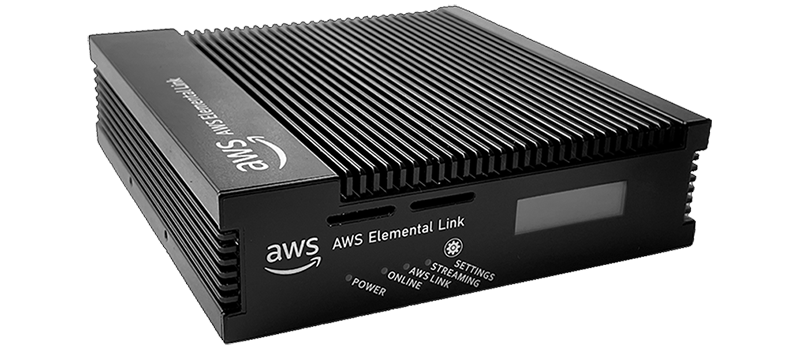
MediaLive is the AWS live streaming service that takes the live feed and turns it into a stream viewers can watch. It makes the same live picture in several sizes at once, so it plays well on fast fibre and on a weak mobile signal. That is adaptive bitrate streaming: the player picks the size that fits the viewer connection, and the picture keeps playing. MediaLive runs on AWS servers, not on a box in your building. A channel takes the Link feed as its input and sends the stream out to viewers. The device, the input, and the channel must all sit in the same AWS Region, and we plan that with you before the event.
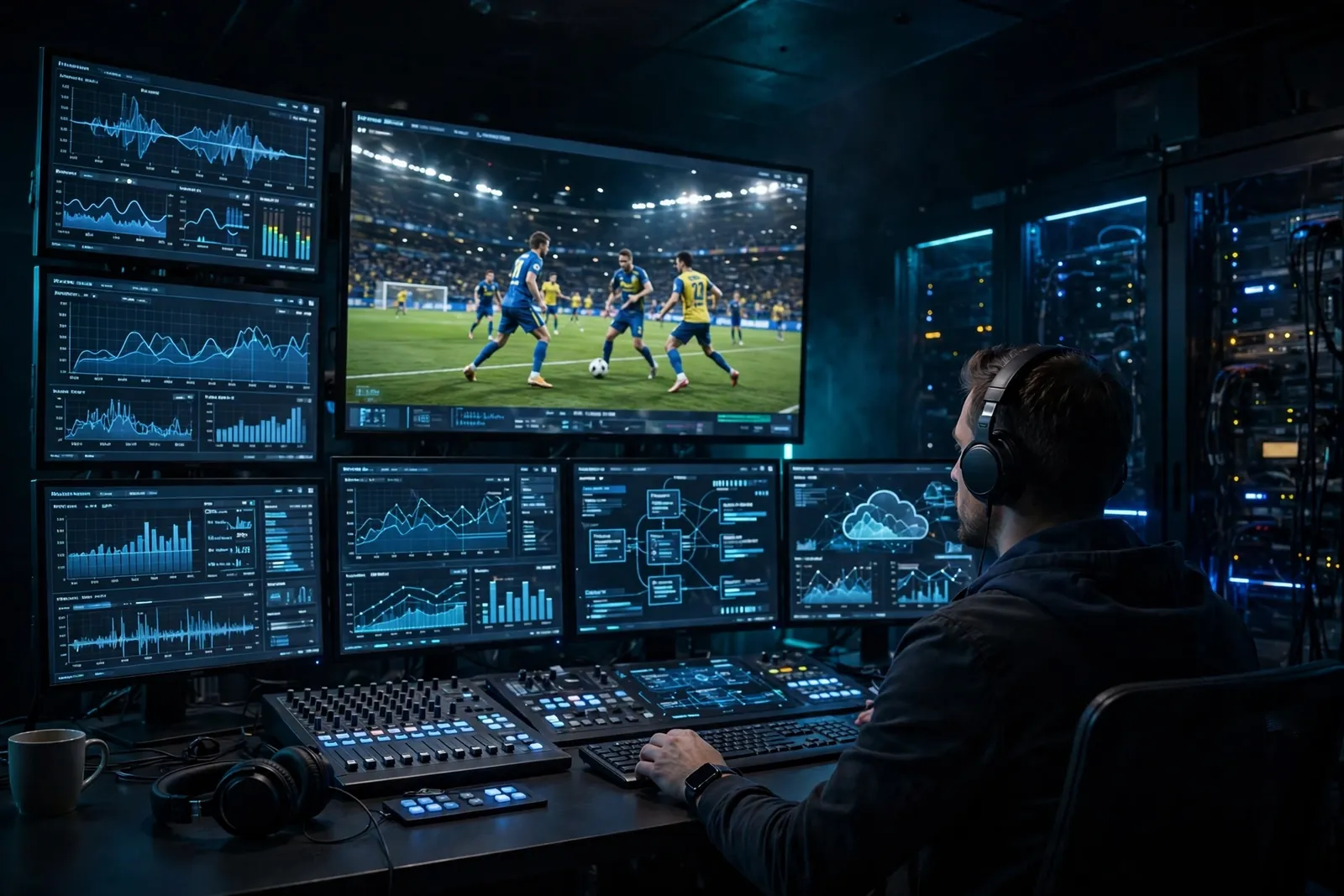
MediaLive does not work alone. A full live streaming AWS workflow has a few more parts, and each one has one job. AWS Elemental MediaConnect carries the live video through the cloud, in a steady and safe way with backup paths, so one fault does not stop the stream. The UHD device can send straight to MediaConnect as well as to MediaLive. AWS Elemental MediaPackage takes the stream MediaLive makes and packs it into the formats players understand, so the same live event plays on a TV app, a phone, and a web page. For shows that are recorded as well as live, AWS Elemental MediaConvert prepares the recorded files for on-demand viewing. The start of the chain is live video contribution. The rest turns one live feed into a service viewers can rely on.
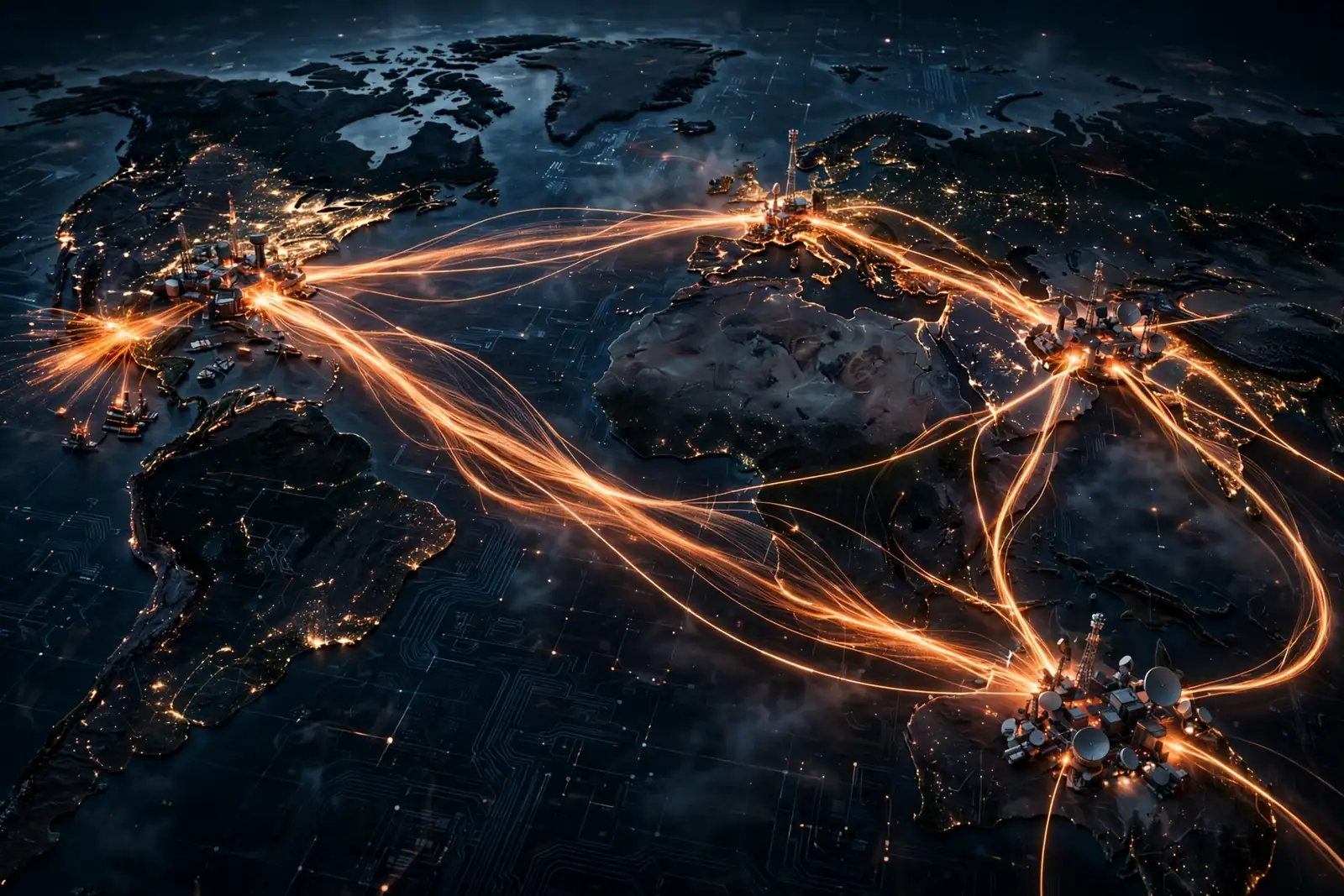
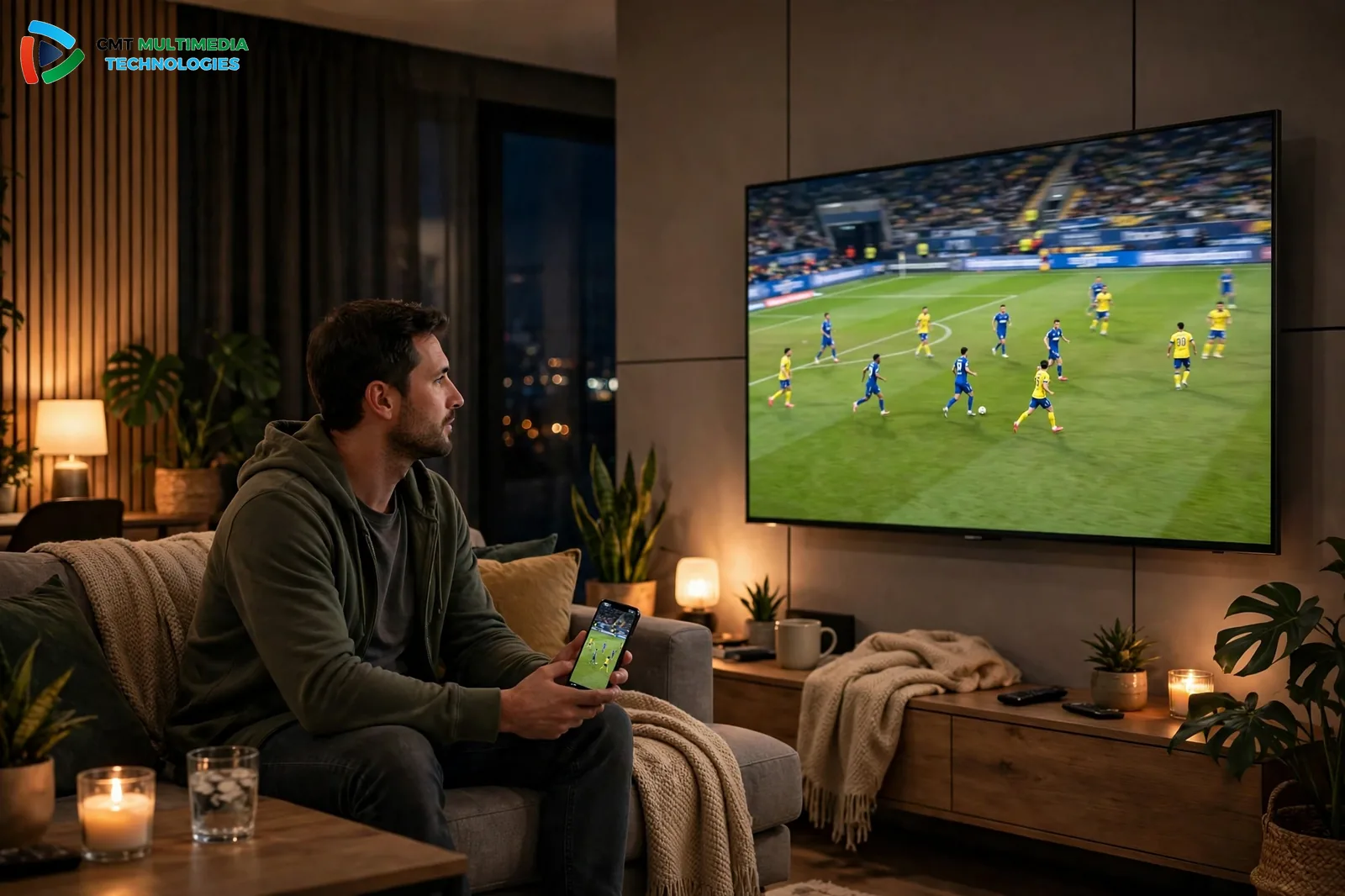
A place of worship streams its services to people at home. A sports club streams matches to fans who cannot reach the stadium. A concert hall streams a show to viewers in other cities. A university streams lectures and graduations from hall to hall. A broadcaster takes a live feed from a remote venue and puts it on air and online. That is live event streaming: one event, many viewers, all live. One small box at the venue and the cloud behind it is all the link between them. The same idea at a bigger scale is remote live production: the crew stays small at the venue, and the control and monitoring happen from anywhere.
AWS ELEMENTAL LINK
Send the camera feed to the cloud and reach viewers on TV, phone, and web.
Live streaming used to mean a full rack of encoding equipment at the venue. The Link device changes that shape: the heavy work moved to the cloud, and the box at the venue got small. In our experience, the small box wins wherever events happen often and in many places.
A rack of encoders at every venue, set up and watched by a team on site for every event.
A small Link box at the venue and the cloud behind it. The team watches and controls it from anywhere.
The price changes with the event, so we do not list fixed prices here. Five things set the cost:
Request a demo and we will price your event after we see your venue, your cameras, and your audience.
Choose a live streaming partner who has run live events, not just sold boxes. Ask five things before you sign: (1) who handles the live streaming setup, the device and the cloud channel, (2) who watches the stream while the event is live, (3) what happens if the venue network drops, (4) can the stream reach TV, phone, and web from one workflow, (5) can the same setup grow from one venue to many. Ask for a demo on your own event before you decide.
The Gulf is a strong place for live streaming. Big events run all year across the UAE, Saudi Arabia, Qatar, Kuwait, and Bahrain, in cities like Dubai, Abu Dhabi, Riyadh, Jeddah, Doha, Kuwait City, and Manama. Stadiums, halls, universities, and places of worship all have audiences past their walls. Viewers here watch in Arabic, English, and many other languages, on TV at home and on phones on the move. In the Gulf, both live streaming for broadcasters and live streaming for telecom operators grow, because they already reach these audiences and want live events on their own platforms. CMT Technologies works from the Gulf, so we plan around Gulf venues, Gulf networks, and Gulf viewers.







AWS Elemental Link is a small hardware device that sends a live camera feed to the AWS cloud, where it is turned into a stream for TV, phone, tablet and web.
Link HD fits most events in full HD. Link UHD fits events that need 4K picture quality.
AWS Elemental MediaLive takes the feed from Link, encodes it, and sends it out as a live stream to your viewers.
Yes. You can send the same live event to your website, your apps, and social platforms at the same time.
Yes. Link takes a standard video feed from most professional cameras, so you can keep the cameras you already use.
A stable upload connection is needed. The exact speed depends on the picture quality you choose, and your team can check it before the event.
Yes. The stream can be recorded in the cloud, so you can share the replay after the event ends.
It fits broadcasters, event organisers, sports teams, houses of worship, and businesses that run live events in the UAE, Saudi Arabia, Qatar, Kuwait, and Bahrain.
Contact